
Responsive web design — why it matters
5 min read · 2025-03-01
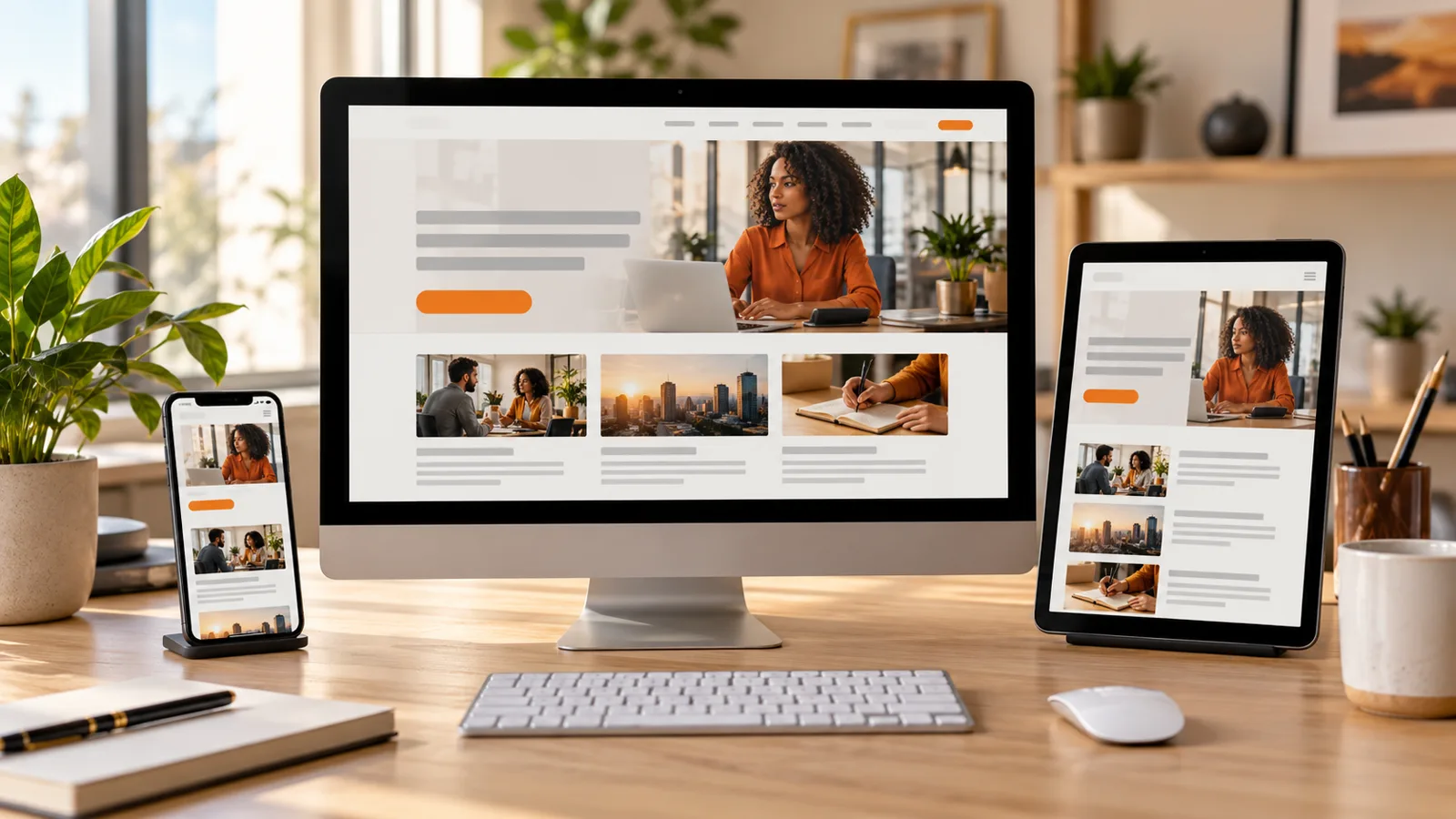
More than 70% of Zimbabwean web traffic is mobile. Here is why responsive design is no longer optional, and how to know if your site is failing.
Pick up your phone and open three Zimbabwean business websites. Chances are at least one of them looks broken. Tiny text, buttons you cannot tap, images that overflow the screen. That is what happens when a site is built for desktop and never properly tested on mobile.
In Zimbabwe, more than seven out of ten people who visit your website will do it on a phone. If your site does not work well on mobile, you are losing most of your traffic before they even read a single word.
What responsive design really means
Responsive design means your website automatically adjusts to fit any screen size. Text stays readable, images shrink without breaking, menus collapse into a clean mobile menu, and buttons stay big enough to tap with a thumb. It is not just about looking nice — it is about making sure visitors can actually use the site.
A truly responsive site is also fast on a phone. That means small image files, modern code, and as few unnecessary scripts as possible. A site that takes more than three seconds to load on 4G will lose more than half of its mobile visitors before it even appears.
Google indexes the mobile version first
Since 2021, Google uses your mobile site as the main version for ranking. If your mobile site has less content, broken layouts or missing images, your Google rankings will suffer. Even if your desktop site is beautiful, Google rates you on the phone version.
How to test your own site
Open your website on your phone right now. Try to find your phone number. Try to fill in the contact form. Try to read a paragraph without zooming. If any of those tasks feel awkward, your site is not properly responsive. You can also use Google's free PageSpeed Insights tool to get a clear mobile score out of 100.
What you should expect from a modern build
Every website we build at Icon Marketing is mobile-first. We design the phone view before the desktop view, then scale up. Every page passes Google's Core Web Vitals on mobile. Every button is at least 44 pixels tall. Every image is compressed and served in modern formats. The result is a site that loads fast and feels right whether you open it on a phone in Mbare or a laptop in Borrowdale.
The cost of getting it wrong
A non-responsive site costs you twice. You lose the visitors who give up immediately, and you lose Google rankings because of poor mobile performance. Fixing it later usually means a full rebuild. Getting it right the first time is cheaper, faster and saves a lot of pain.
Need help putting this into action? Get a free quote from our Harare team or browse all our services.
Explore our web design services
About the author
The Icon Marketing team — designers, developers and SEO strategists based in Harare, Zimbabwe.